FL HI CE — Plumbing System (15-Hour)
Water causes more slow, expensive damage to Florida homes than almost anything else — and it usually fails quietly. This 15-hour course builds the field skills and reporting judgment you need to catch it early, from pinhole leaks in copper supply lines to failing water heaters and the aging waste lines behind them.
About This Course
This 15-hour course is built entirely around the plumbing component of the home inspection, walking through it system by system the way you'll actually encounter it on site: water supply entry and shut-offs, the supply piping materials common to Florida homes (copper, CPVC, PEX) and the problem materials you still find in older stock (polybutylene, galvanized), fixtures and functional flow, drain-waste-vent systems and their aging failure points, and the full water heater landscape — tank-type units, tankless and heat-pump equipment, and where the solar boundary falls outside your scope.
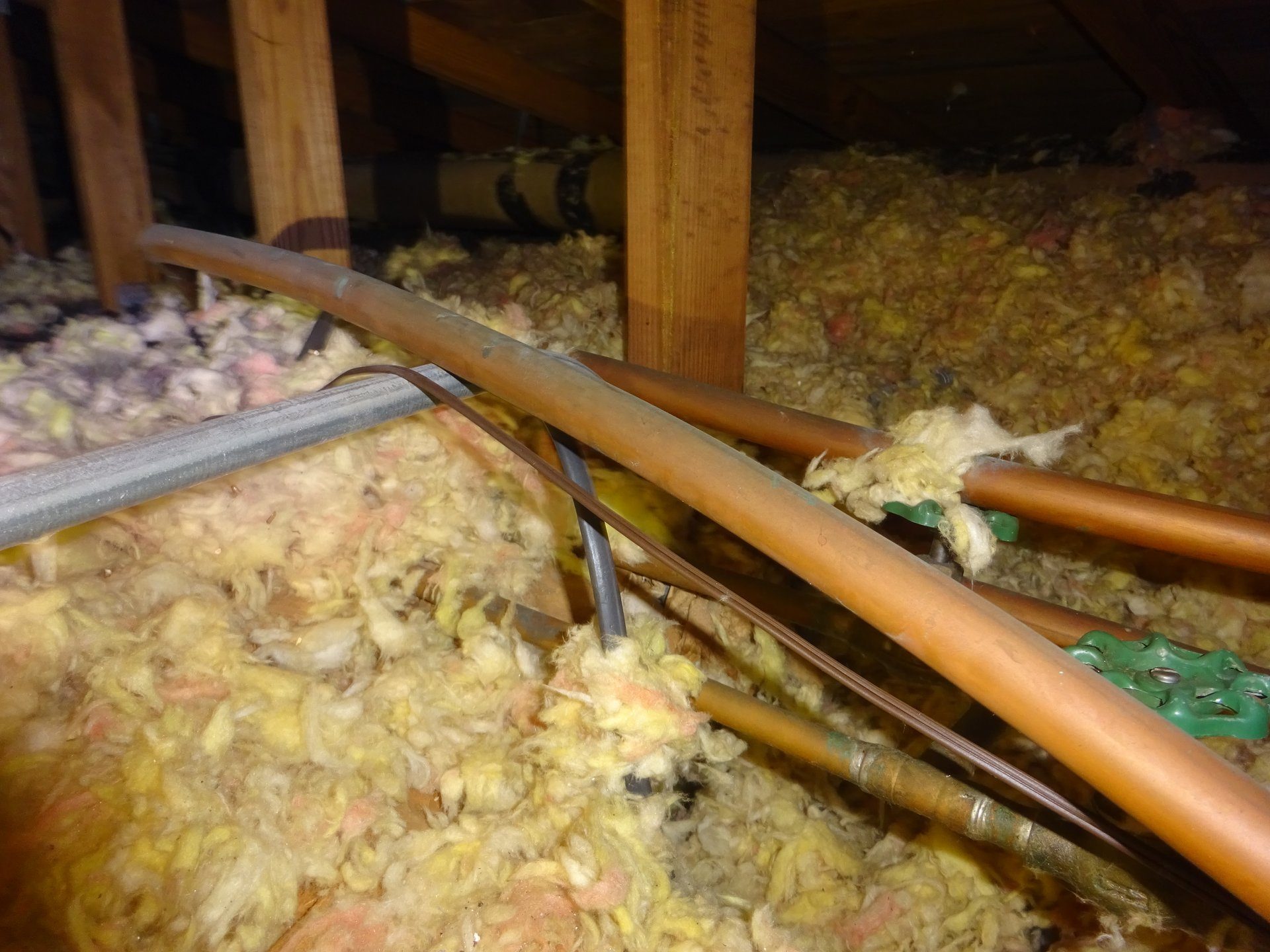
Along the way you'll learn to read the physical evidence plumbing systems leave behind: how a pinhole leak actually forms in copper pipe and why it rarely shows up alone, how to distinguish an active leak stain from an old, already-repaired one, and how a fully caulked toilet base can mask a failed seal instead of fixing it. You'll also cover plumbing vents, flues, chimneys, sumps and sump pumps, including where a roof-penetrating vent boot's condition has to be cross-referenced with your roof covering observations rather than logged twice.
The course gives real attention to scope and referral judgment — where gas-system awareness ends and a licensed contractor's job begins, how to word a referral so it names the right professional without steering a client toward a specific company, and how to document a significantly deficient finding so it holds up in the report. Water heaters get two full modules because of how often you'll actually see them: tank-type equipment in one, tankless, heat-pump, and the solar relief in the next.
By the end, you'll have a repeatable field sequence for inspecting plumbing systems and the reporting language to back it up. It is a 15-hour general continuing-education course.
What You'll Learn
- Identify the plumbing components you are required to inspect, from water supply entry through drain, waste, and vent systems
- Distinguish reliable supply piping materials (copper, CPVC, PEX) from problem materials like polybutylene and galvanized steel, and recognize their failure signatures
- Explain how a pinhole leak forms in copper piping and why one visible pinhole signals further evaluation of the surrounding run
- Demonstrate a proper toilet stability check and recognize when a caulked base is masking a failed seal
- Apply a consistent inspection sequence to tank-type, tankless, and heat-pump water heaters, including age, capacity, and safety valve observations
- Differentiate an active leak stain from an old, already-repaired one using staining pattern and moisture evidence
- Coordinate plumbing vent penetration findings, such as a cracked roof boot, with roof covering observations without duplicating the defect
- Apply correct referral language for gas-system findings, matching the referral to the utility or a licensed contractor based on where the defect is located
Who This Is For
Prerequisites
Curriculum
Introduces why the plumbing component carries significant weight in your inspection and report, and previews the sequence the course follows from supply to drainage to water heating.
Defines the boundaries of a plumbing inspection under Florida's standard of practice, clarifying exactly which components and conditions you are expected to observe and report on.
Covers how to locate and evaluate the water supply entry point and main shut-off valve, including what condition and accessibility issues are worth documenting.
Walks through copper, CPVC, and PEX supply piping, including how to recognize pinhole leaks, corrosion signatures, and joint issues that warrant closer attention.
Focuses on polybutylene and galvanized piping, teaching you to identify these problem materials and understand why their age and failure history matter to a report.
Covers fixture and faucet inspection procedures, including stability checks like the toilet rock test and how to spot leakage evidence at fixture bases and supply connections.
Introduces the layout and function of drain, waste, and vent systems and what a normal, properly functioning system looks like during inspection.
Examines drainage performance issues and how aging waste lines signal deterioration, giving you criteria for flagging slow drains and worn piping.
Builds a complete inspection sequence for tank-type water heaters, covering age and capacity identification, safety valve and discharge piping evaluation, and installation surroundings.
Extends the water heater sequence to tankless and heat-pump units and clarifies where solar water heating equipment falls outside your inspection scope.
Covers plumbing vent terminations, flues, chimneys, sumps, and sump pumps, including how a roof-penetrating vent boot's condition should be cross-referenced with roof covering findings.
Teaches you to read staining and moisture evidence to distinguish an active leak from an old, already-repaired one, tracing stains back to their source on the pipe.
Addresses where fuel-gas system awareness fits into a plumbing inspection and how to properly refer gas-related findings to the utility or a licensed contractor.
Pulls the prior modules into a practical field sequence for inspecting plumbing systems efficiently and consistently on site.
Covers how to document plumbing findings clearly, including wording significantly deficient conditions and coordinating cross-referenced defects between sections of the report.
Summarizes key takeaways from the course and reinforces the reporting judgment needed to apply what you've learned on future inspections.
Lessons are narrated by an AI-generated voice reading the instructor’s written script — not a human recording.