FL HI CE — HVAC System (14-Hour)
Florida's air conditioner runs nearly year-round and generates more callbacks and repair disputes than almost any other component you'll inspect — this 14-hour course sharpens your eye for the pad problems, rust patterns, airflow chokepoints, and heating quirks that show up in Florida homes specifically. It builds a sharper, more defensible HVAC inspection and reporting routine.
About This Course
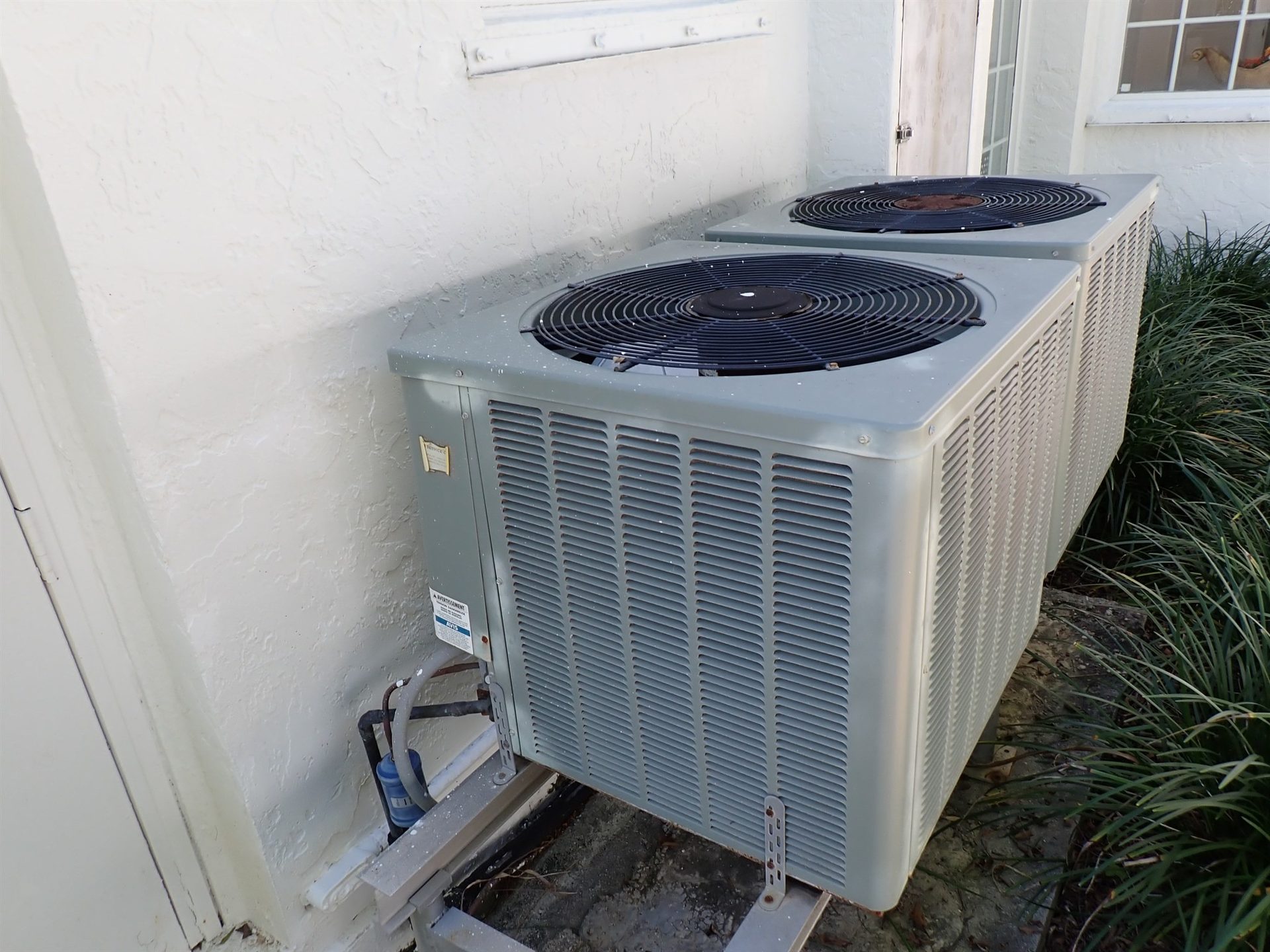
This course takes a single home inspection component — HVAC — and works through it in the depth Florida's climate and housing stock demand. You'll move system by system through condensers on ground-level pads, split systems, package units and heat pumps, air handlers, condensate management, heating equipment, fuel and vent systems, ductwork, and the ventilation and humidity issues that sit at the edge of IAQ. Each module is built around what you'll actually encounter in the field: a condenser tilting off an eroded pad, a rusted air handler cabinet telling the story of a moisture problem, a matted filter that has been choking a system for a year, or a wall heater serving a converted lanai that needs to be identified and tested alongside a heat pump.
The course is organized around observation and reporting, not just theory. You'll learn how to read physical evidence — a rust pattern, a frosted suction line, a grease-loaded range hood filter — and translate it into a clear, defensible finding: what the deficiency is, why it likely occurred, and what a client should do next. Recurring Florida scenarios anchor each topic, from Port St. Lucie pad erosion to a Tampa foreclosure with a collapsed filter to a Melbourne garage unit with flaking corrosion, so the material stays grounded in what you'll see on an actual inspection rather than abstract system diagrams.
Because HVAC is one of the required components in Florida's home inspector body of knowledge, this course gives you a chance to go deep on the system that most often drives large repair costs and client disputes after closing. You'll cover cooling fundamentals, the differences between split and package equipment, condensate handling in a state where drain pans and secondary drains matter, heating equipment identification and testing, fuel and vent systems, duct and air distribution problems, and the honest, methodical way to operate a system during testing so your findings hold up.
It is a 14-hour general continuing-education course.
What You'll Learn
- Identify visible signs of equipment pad failure, such as settling, cracking, or erosion, and connect them to potential compressor and refrigerant line issues
- Distinguish stages of cabinet rust progression, from surface bloom to structural perforation, and trace rust location back to its likely moisture source
- Identify installed heating equipment versus portable or removable heating devices and explain how that distinction shapes what gets tested and reported
- Differentiate ducted and recirculating range hood exhaust systems and describe what to document about filter and duct condition
- Recognize airflow-starvation symptoms such as matted filters, iced coils, and frosted refrigerant lines, and explain how they connect to system performance
- Apply a consistent field routine for locating and evaluating filters, condensate systems, and air distribution components
- Demonstrate how to write clear, actionable HVAC findings that state the deficiency, its likely cause, and a specific recommendation
- Explain how condensate management, ductwork condition, and ventilation issues interact to create the moisture and IAQ problems common in Florida homes
Who This Is For
Prerequisites
Curriculum
Introduces the course structure and explains why a dedicated, in-depth look at HVAC matters for Florida inspectors and their clients.
Defines the boundaries of the HVAC inspection, clarifying what equipment and components fall within scope and how to approach the system methodically.
Covers how cooling systems work in Florida's cooling-dominated climate, giving inspectors the mechanical grounding needed to interpret field observations.
Walks through split system components and common failure points, including condenser pad and clearance issues that show up repeatedly in Florida inspections.
Explains package units and heat pumps, including how to identify equipment type and recognize condition issues specific to each configuration.
Covers air handler and evaporator section inspection, including how to read cabinet rust patterns and corrosion severity as evidence of underlying moisture problems.
Focuses on condensate drainage, pans, and related moisture control issues that are especially demanding in Florida's humid environment.
Addresses how to identify installed heating equipment versus portable devices, and how to test and report each type found, including mixed-system Florida homes.
Covers fuel sources and venting systems tied to heating equipment, and what to check and document for each.
Examines ductwork and air distribution problems, including disconnections, restrictions, and other conditions that affect system performance.
Covers ventilation and humidity issues at the edge of HVAC scope, including kitchen exhaust types like ducted versus recirculating range hoods.
Details a consistent, honest method for operating HVAC equipment during testing so findings are accurate and defensible.
Reviews the recurring HVAC defect patterns Florida inspectors encounter, including airflow starvation from filters and other common failure sequences.
Applies the course's concepts to realistic field scenarios, walking through how to systematically inspect HVAC equipment on-site.
Covers how to translate field observations into clear written findings that state the deficiency, likely cause, and recommended next step.
Wraps up the course by reinforcing key takeaways and how to apply them on upcoming inspections.
Lessons are narrated by an AI-generated voice reading the instructor’s written script — not a human recording.